Rizal's Letter
To the Young Women of Malolos
A Bold Initiative
In 1889, twenty young women from Malolos, Bulacan took a courageous stand that would change Philippine history. Breaking social conventions, they petitioned the Spanish Governor-General to allow them to open a night school for Spanish language study.
Rizal's Response
Dr. Jose Rizal responded with his famous letter, praising their courage and advocating for women's education. He emphasized that education and critical thinking were essential pathways to national progress.
Legacy
This pivotal moment in Philippine women's rights continues to inspire...
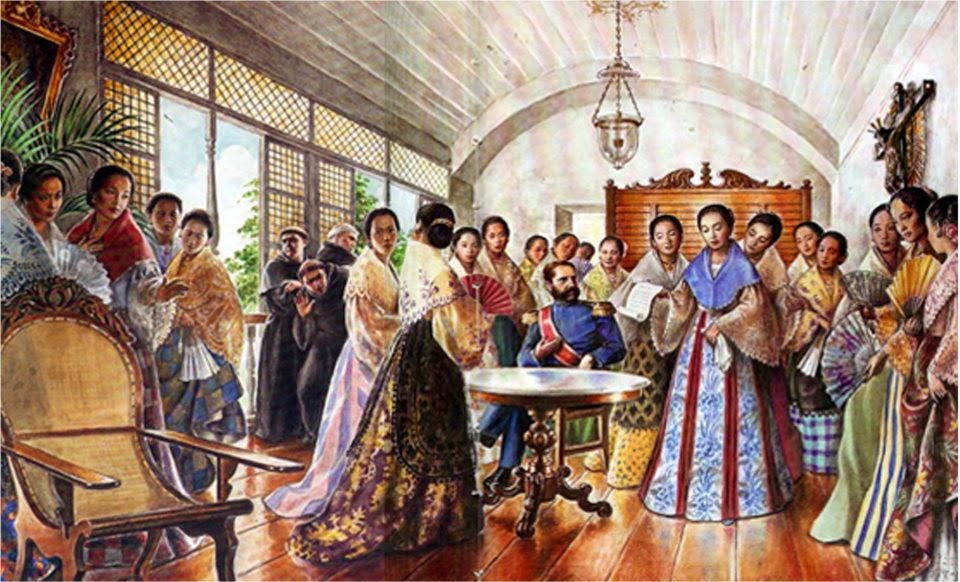
Illustration depicting the young women of Malolos during their historic meeting
José Rizal
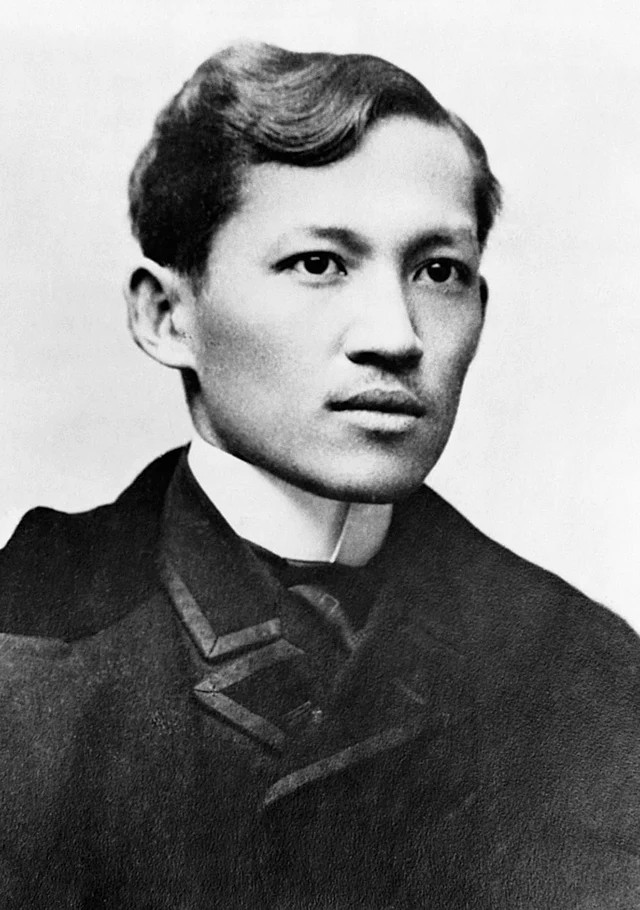
José Protacio Mercado Rizal Alonzo y Realonda (1861-1896) was a Filipino polymath, writer, and nationalist from Calamba, Laguna. Born to Francisco Mercado and Teodora Alonso, he was the seventh of eleven children.
Education included early tutoring under Maestro Celestino and Lucas Padua, followed by studies in Biñan (1869-1872). He excelled at Ateneo (1872-1877), graduating with highest honors. He studied medicine at University of Santo Tomas (1877-1882) and Universidad Central de Madrid (1882-1885), later specializing in ophthalmology in Paris and Heidelberg.
Literary Works
His most significant works were "Noli Me Tangere" (1887) and "El Filibusterismo" (1891), novels exposing Spanish colonial abuses. His final work, "Mi Ultimo Adios," was written before his execution in Fort Santiago.
Artistic Legacy
His artistic legacy includes paintings like "Saturnina Rizal," "Christ Crucified," and "Spanish Coat of Arms." Three species were named after him: Draco Rizali, Apogonia Rizali, and Rhacophorus Rizali.
Historical Impact
He was executed on December 30, 1896, by Spanish authorities in Manila, becoming a martyr for Philippine independence and the country's national hero.
Explore the Exhibition
Works
Discover the historical context and content of the letter
Analysis
Explore themes of education, empowerment, and social reform
Gallery
View historical photographs and manuscripts
Resources
Access primary sources and scholarly articles
"Filipinos don't realize that victory is the child of struggle, that joy blossoms from suffering, and redemption is a product of sacrifice."
- José Rizal
Letter to the Young Women of Malolos, 1890